
In today’s digital world, online security isn’t optional; HTTPS stands for Hypertext Transfer Protocol Secure, which encrypts the data sent between your browser and the website.
This essential layer of extra security makes a huge difference in strengthening overall website trust and safeguarding the site’s reliability. In this guide, we will explore the correct use of HTTPS, its benefits for improving your website’s performance, and its importance in 2025.
What is HTTPS?
HTTPS is the enhanced and more secure version of the HTTP protocol, where the data transferred between your browser and the website is encrypted. Encryption is achieved through the use of an SSL or TLS certificate, which is included in every HostCrafter plan.
In simple terms, HTTPS establishes a secure environment for your digital browsing, thereby preventing hackers and digital attacks.
Even from a visitor’s perspective, an HTTPS padlock icon beside a website’s URL creates a huge impact in the user’s brain; it creates a sense of security and trust. This small visual impacts a lot on a website’s traffic and reliability.
In today’s time, where cybersecurity has grown significantly, a small icon can be a key indicator of authenticity on your website.
Difference Between HTTP and HTTPS
The main difference between HTTP and HTTPS lies in just one word, which is “Security,” and that is one of the most important factors in a website today.
HTTP transfers the data between a user and a website in plain text, while HTTPS transfers the data in encrypted form. This makes the data unreadable to anyone trying to access it unethically. HTTPS does this with the help of SSL/TLS encryption, which is provided in every plan by HostCrafter.
In previous times, websites used HTTP, which is now outdated. HTTPS is trusted, secure, and essential for modern web browsing and search visibility.

| HTTP | HTTPS | |
| Browser Status | Often shows “Not Secure” | Shows a padlock icon |
| Data Safety | Not encrypted | Fully encrypted |
| User Trust | Low | High |
| SEO Impact | No boost | Gets SEO advantage |
HTTPS for Search Visibility
HTTPS plays a major role in your website’s SEO, and any website that is more secure will definitely be ranked higher by search engines.
HTTPS as a Google Ranking Factor
Google itself claims that security is its top priority, and it considers HTTPS as a ranking signal. This directly means that Google sees an HTTPS site as more reliable and safe for users. This security boost helps improve your chances of appearing higher in search results. Google’s goal is to provide users with the safest browsing experience possible, so websites with SSL certificates and encrypted connections naturally get priority.
Bounce Rate
When a website lacks HTTPS and is considered “Not Secure,” many visitors leave instantly, which increases bounce rate and leaves a negative mark on your website’s search visibility. Google pays attention to user experience and behavior, which might heavily affect your website.
Better UX with HTTPS
HTTPS is a modern-day protocol that improves performance and user satisfaction with a seamless, no-warnings experience. Along with building a sense of trust, it also helps with faster loading speeds. In short, HTTPS is essential for building a smooth, secure, and positive user experience that supports engagement and long-term growth.
Checking the Website’s SSL Certificates
You can check if the website uses HTTPS by:
- Look for the Padlock Icon
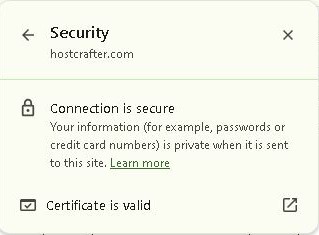
Check the browser address bar — a padlock symbol indicates the website uses HTTPS encryption. - Click the Padlock Icon
Clicking the icon shows details like the certificate issuer, validity, and security status. - Check the URL Format
Make sure the website address starts with HTTPS instead of HTTP.
Common Myths About HTTPS
Many website owners still rely on HTTP and hesitate to switch to HTTPS because of misinformation. Let’s clear up the most common misconceptions about HTTPS so you can make the right decision for your website.
Myth 1: “HTTPS Slows Down My Website”
One of the most common myths of using HTTPS is that it slows down a website; modern protocols like HTTP/2 can actually load faster than HTTP websites. So instead of slowing down, HTTPS can boost your website’s overall speed and efficiency.
Myth 2: “Installing HTTPS Is Complicated and Expensive”
Yes, years ago, installing HTTPS was complex as well as expensive, but not anymore. Today, you can get a free SSL certificate along with hosting. HostCrafter provides easy SSL installation and secure hosting solutions so you can switch to HTTPS without stress.
Myth 3: “Only sites with sensitive data need HTTPS”
Every website can gain value from HTTPS because it safeguards user information during transmission and prevents snooping or man-in-the-middle attacks. It also plays a key role in boosting SEO and increasing visitor confidence.
Conclusion
HTTPS is not just a on-page fancy element, but a must-needed tool for your website. Today, every person surfing the internet is conscious of their privacy and security. Without HTTPS, your site is exposed to risks like data theft, interception, and manipulation, which can lead to serious trust and security issues.
From an SEO perspective too, HTTPS is a lightweight ranking signal for search engines. Google has made it clear that HTTPS is a ranking factor, meaning secure websites have a better chance of appearing higher in search engine results.
HostCrafter offers SSL certificates that secure your website’s identity and encrypt all data exchanged with your visitors. We are available in flexible plans designed to help out with your specific website needs, and include benefits like domain validation, free licenses, 99.9% uptime, and expert support.